Pressure Washing vs. Soft Washing: Which Is Right for Your Chester, VA Home?
Keeping your home's exterior clean can improve its appearance and help you identify maintenance issues before they become more serious. Over time, siding, driveways, decks, walkways, and other outdoor surfaces can accumulate dirt, organic growth, and environmental residue.
However, not every surface should be cleaned using the same method. Pressure washing and soft washing are two common exterior cleaning approaches, and each is suited to different materials and cleaning requirements.
For homeowners in Chester, VA, choosing the right method is important for removing buildup without unnecessarily damaging siding, paint, roofing materials, or other surfaces.
Master Caulking & Power Wash LLC provides exterior cleaning and property maintenance services to help homeowners maintain their properties. Understanding the differences between pressure washing and soft washing can help you decide which approach may be appropriate for your next cleaning project.
What Is Pressure Washing?
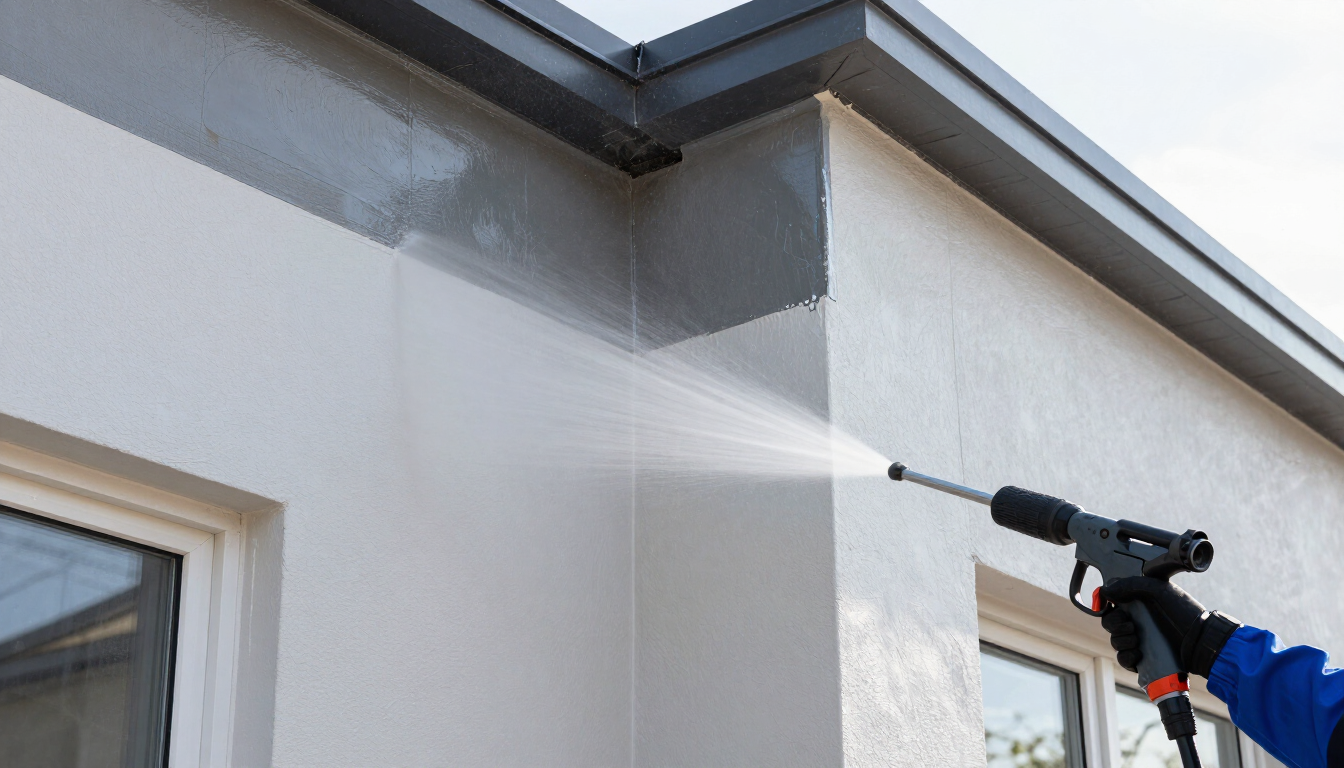
Pressure washing uses a pressurized stream of water to remove dirt, grime, and other buildup from suitable surfaces. The equipment, water pressure, nozzle, and cleaning technique can be adjusted depending on the material and the type of contamination.
Pressure washing is commonly considered for durable outdoor surfaces such as certain concrete driveways, walkways, and other hardscapes.
When used appropriately, it can help remove accumulated dirt and restore a cleaner appearance to heavily used exterior areas.
However, more pressure is not always better. Excessive pressure or an incorrect nozzle can damage surfaces, remove paint, erode softer materials, or force water into areas where it does not belong.
A surface's condition matters just as much as its material. Older concrete, deteriorating paint, damaged masonry, and previously repaired surfaces may require a more cautious approach.
The goal of professional pressure washing is to select an effective cleaning method for the surface rather than simply applying the highest available pressure.
What Is Soft Washing?
Soft washing is an exterior cleaning method that relies on low-pressure water application and, when appropriate, cleaning solutions designed for the surface and type of buildup.
Instead of depending primarily on force to remove contamination, soft washing uses a combination of suitable cleaning products, application techniques, and rinsing.
It is often considered for more delicate exterior surfaces, including many types of siding and certain roofing materials.
The exact cleaning solution and process depend on the material, manufacturer recommendations, and the nature of the buildup. Products must be used according to their instructions, with appropriate precautions for plants, pets, people, and surrounding surfaces.
Soft washing is not simply pressure washing with a different name. The methods differ in how they remove buildup, and choosing between them requires understanding the surface being cleaned.
For homeowners in Chesterfield and Richmond, soft washing may be an appropriate option for exterior surfaces that could be damaged by aggressive water pressure.
1. Choose the Right Method for Your Home's Siding
Your home's siding is regularly exposed to rain, airborne dirt, pollen, and organic growth. Over time, these contaminants can make the exterior appear discolored or neglected.
The best cleaning approach depends on the siding material, its condition, and the type of buildup present.
Vinyl Siding
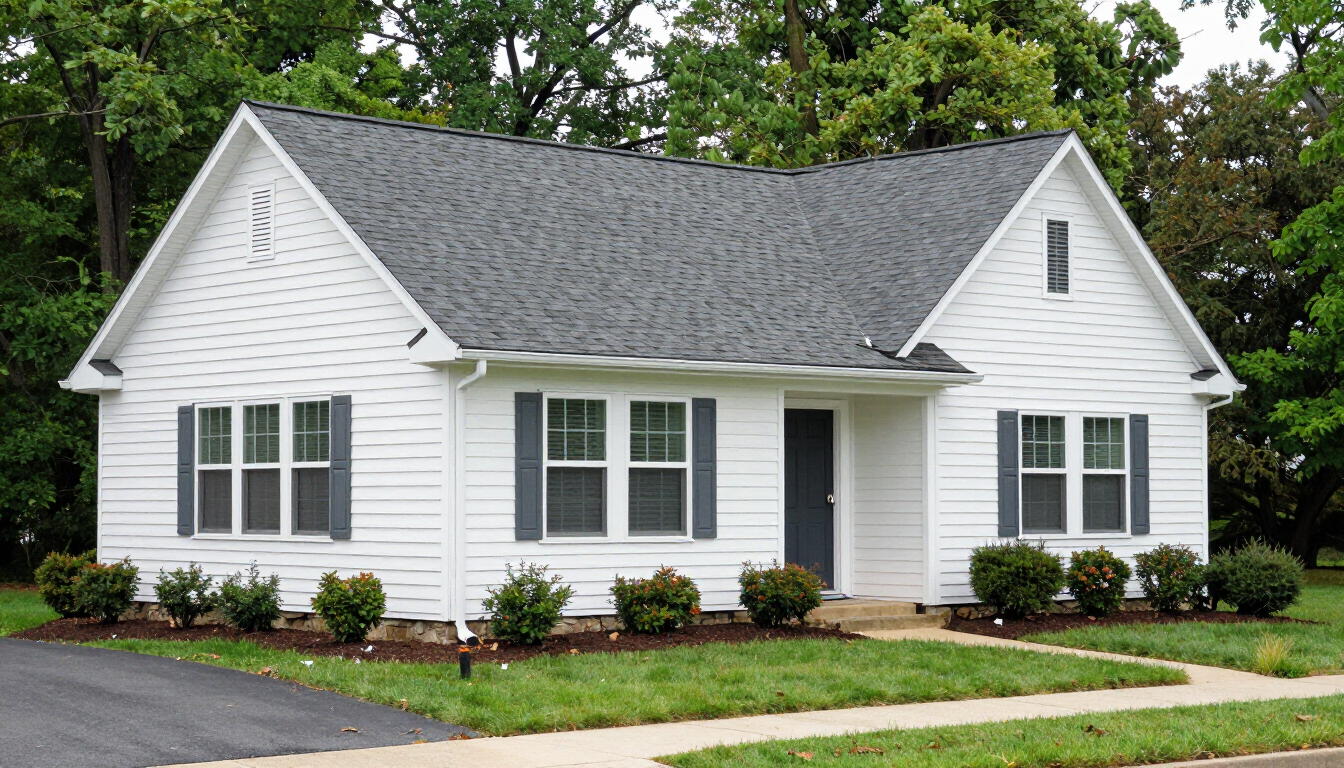
Vinyl siding can accumulate dirt and organic growth, particularly in shaded or damp areas. A properly selected soft-washing approach may be suitable for many vinyl siding applications because it avoids the need for aggressive pressure.
Care is still necessary around seams, vents, windows, and other openings where water could enter the wall assembly.
Painted Wood Siding
Painted wood siding requires additional caution. High pressure may damage the paint film, force water into joints, or harm exposed wood.
Before cleaning, inspect the paint and siding for peeling, cracking, rot, or other deterioration. Damaged areas may need repair or repainting rather than aggressive cleaning.
Fiber Cement and Other Siding Materials
Fiber cement and other manufactured siding products have specific cleaning and maintenance requirements. Follow the manufacturer's recommendations and adjust the method to the material's condition.
If you are unsure which cleaning method is appropriate for your home's exterior, a professional assessment can help reduce the risk of damage.
2. Understand When Pressure Washing Is Appropriate for Driveways
Driveways and walkways often accumulate tire marks, dirt, mud, and other surface contaminants. Because these areas are frequently exposed to foot traffic and vehicles, they can benefit from periodic cleaning.
Pressure washing may be appropriate for many concrete surfaces when the pressure, nozzle, and cleaning technique are selected carefully.
However, concrete is not indestructible. Excessive pressure can damage the surface, particularly if the concrete is older, deteriorating, or already showing signs of scaling.
Before cleaning a driveway, check for cracks, uneven areas, loose material, and previous repairs. Existing damage may require attention before or after cleaning.
For homeowners in Chester, VA, professional driveway cleaning can be part of a broader exterior maintenance routine. If the driveway also has cracks or deteriorated joints, cleaning may reveal areas that need repair or sealing.
Cleaning and sealing are separate processes. A clean surface may be easier to evaluate, but it must be appropriately prepared and sufficiently dry before a compatible sealer is applied.
3. Be Careful When Cleaning Roofs
Roof cleaning requires particular attention because roofing materials can be damaged by inappropriate cleaning methods.
Using high pressure on shingles or other delicate roofing materials may dislodge protective granules, damage the surface, or force water beneath roofing components.
For many roofs, a manufacturer-compatible low-pressure cleaning approach may be more appropriate than conventional high-pressure washing. The recommended method depends on the roof material, its condition, and the type of contamination.
Roof cleaning also presents fall and equipment hazards. Homeowners should avoid climbing onto steep, wet, or otherwise unsafe roofs to attempt cleaning themselves.
If you notice dark streaks, organic growth, or other discoloration, have the roof evaluated to determine the cause and the appropriate cleaning approach.
Master Caulking & Power Wash LLC offers roof cleaning among its exterior maintenance services. A professional assessment can help determine whether cleaning is suitable for your roof and what precautions are needed.
4. Consider Soft Washing for Exterior Organic Growth
Organic growth can appear on siding, fences, and other outdoor surfaces where moisture and shade create favorable conditions.
Simply spraying these areas with high-pressure water may not provide the most appropriate solution. Depending on the surface and the type of growth, a suitable cleaning treatment may be needed.
Soft washing can help address certain types of organic buildup when the correct products and application methods are used.
However, cleaning does not eliminate the environmental conditions that allow growth to return. Shaded areas, persistent moisture, nearby vegetation, and poor drainage may contribute to recurring buildup.
Regular inspection and appropriate property maintenance can help you identify these conditions and decide when another cleaning may be needed.
For properties in Chesterfield, Midlothian, and surrounding communities, choosing a cleaning method suited to the surface can help maintain the appearance of siding and other exterior materials.
5. Protect Windows, Trim, and Other Delicate Features
A home's exterior includes more than siding and concrete. Windows, screens, painted trim, outdoor fixtures, and sealed joints may all require special consideration during cleaning.
High pressure can damage window seals, force water into openings, tear screens, or disturb deteriorating caulk and paint.
Before cleaning, inspect the condition of these features and identify areas that need extra protection.
Appropriate precautions may include adjusting the water pressure, using a suitable nozzle, maintaining a safe distance, and avoiding direct spraying into openings or vulnerable joints.
Cleaning can also reveal maintenance needs. For example, deteriorating caulk around windows or doors may indicate that the joint needs repair rather than simply another wash.
Because Master Caulking & Power Wash LLC also provides caulking services, homeowners may be able to address certain exterior maintenance concerns as part of a broader property care plan.
6. Know How Often Your Home Needs Exterior Cleaning
There is no single schedule that works for every property. The frequency of exterior cleaning depends on the surrounding environment, surface materials, exposure to shade and moisture, and the amount of accumulated dirt.
A home near trees may collect more pollen and organic debris than a property with fewer nearby plants. A shaded wall may develop visible buildup sooner than a sun-exposed surface.
Rather than relying exclusively on a fixed schedule, inspect your property's exterior periodically.
Look for:
- Visible dirt or discoloration on siding.
- Organic growth on suitable exterior surfaces.
- Buildup on walkways and driveways.
- Dirty gutters or exterior window surfaces.
- Roof discoloration that warrants professional evaluation.
- Areas where moisture appears to persist.
Routine cleaning can help maintain the appearance of your home, but it should be combined with inspections for cracks, loose paint, deteriorating caulk, and other conditions that cleaning alone will not correct.
7. Avoid Common Exterior Cleaning Mistakes
Exterior cleaning can cause damage when the wrong equipment or technique is used.
Keep these common mistakes in mind:
Using excessive pressure: Strong water pressure can damage paint, siding, wood, and certain concrete surfaces.
Using the wrong cleaning product: Some chemicals may discolor materials, damage vegetation, or react with other products.
Ignoring existing damage: Cracks, loose paint, and deteriorating joints may need attention before cleaning.
Spraying directly into openings: Water forced into siding gaps, vents, or window seals can cause unwanted moisture intrusion.
Cleaning without considering runoff: Cleaning solutions and wastewater should be managed responsibly, with precautions to protect nearby landscaping and drainage areas.
Attempting dangerous roof cleaning: Wet surfaces, ladders, and roof edges create serious fall risks.
Choosing the appropriate cleaning method and taking the necessary precautions can help protect your property while achieving a cleaner result.
Maintain Your Property With Master Caulking & Power Wash LLC
Pressure washing and soft washing can both play a role in exterior property maintenance, but the right method depends on the surface, its condition, and the type of buildup being removed.
Pressure washing may be appropriate for certain durable hard surfaces, while soft washing may be better suited to many delicate exterior materials. Using the wrong approach can cause unnecessary damage, so selecting the correct technique is essential.
Master Caulking & Power Wash LLC serves homeowners in Chester, Chesterfield, Richmond, Midlothian, Henrico, Petersburg, Mechanicsville, and Hopewell, VA.
From pressure washing and soft washing to house washing, roof cleaning, gutter cleaning, and other exterior maintenance services, the company can help homeowners evaluate their property's cleaning needs.
Ready to refresh your home's exterior?
Contact Master Caulking & Power Wash LLC to discuss your pressure washing or soft washing project.
Recent Posts