
Refresh your home with professional interior painting in Hopewell, VA. Explore paint colors, finishes, wall preparation, and tips for planning your project.
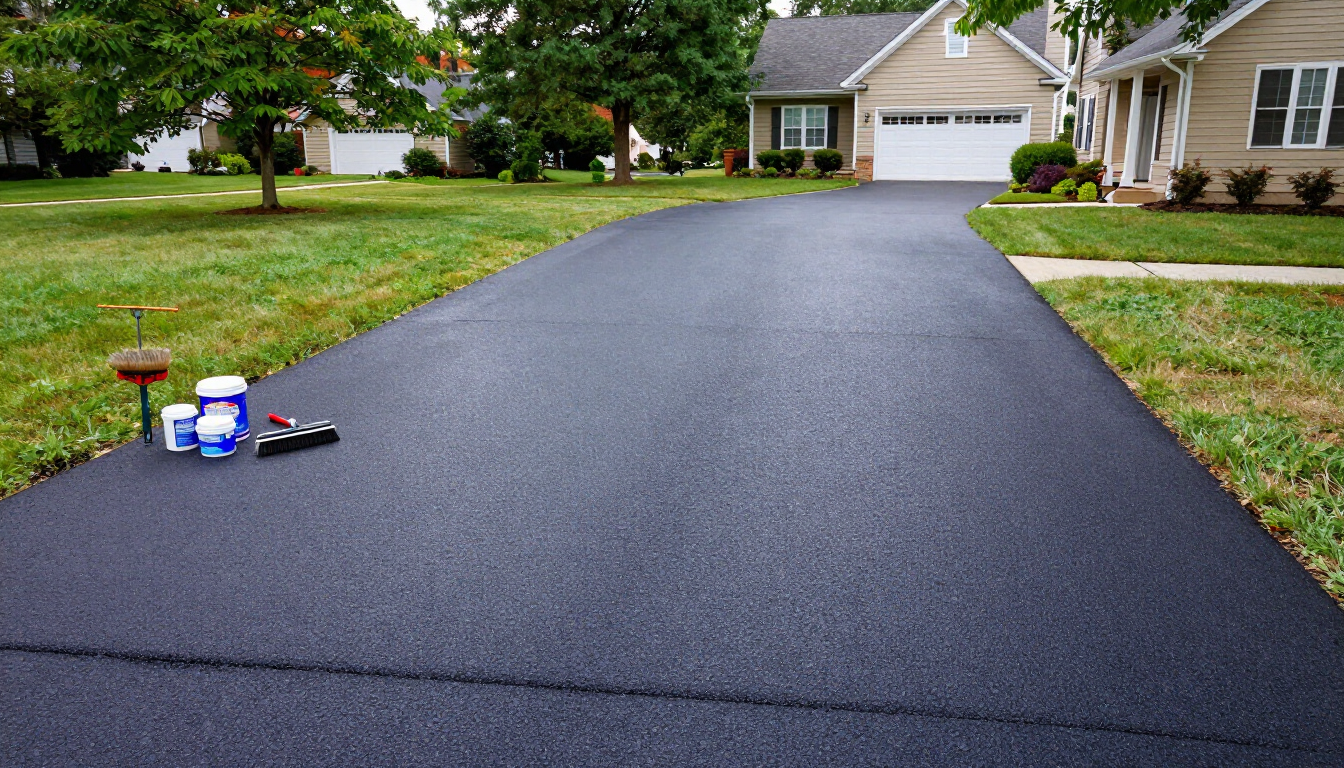
Looking for driveway sealing in Mechanicsville, VA? Learn how sealcoating helps protect asphalt, improve appearance, and support routine driveway maintenance.
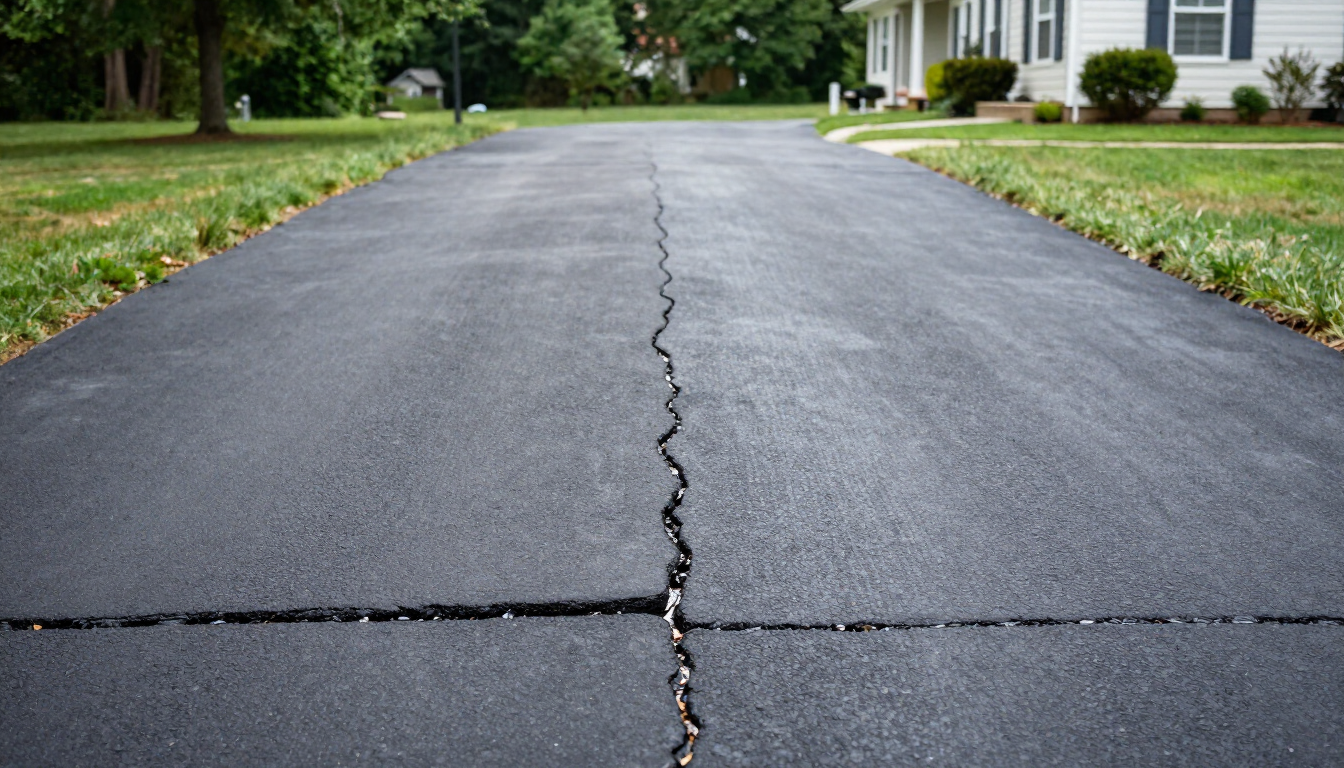
Your driveway is exposed to daily vehicle traffic, changing temperatures, rain, and other outdoor conditions. Over time, these factors can contribute to cracks and surface deterioration that affect both the appearance and condition of your driveway. For homeowners in Henrico, VA, addressing driveway cracks early can help prevent minor surface problems from developing into more extensive maintenance concerns. Driveway crack repair and sealing are important maintenance considerations for keeping paved surfaces in better condition. Understanding why cracks develop, when repairs may be needed, and how sealing fits into driveway maintenance can help you make informed decisions about your property. 1. Why Do Driveway Cracks Develop? Driveway cracks can develop for several reasons. Identifying the possible cause is an important first step when determining the appropriate repair approach. Common contributing factors include: Temperature Changes: Repeated expansion and contraction can place stress on driveway materials and contribute to cracking. Water Penetration: Water entering existing cracks can affect the surrounding material and, depending on the conditions, contribute to further deterioration. Ground Movement: Changes in the soil or supporting base beneath a driveway can create stress and lead to cracks or uneven sections. Vehicle Traffic: Repeated use and heavy loads can contribute to wear, particularly when the driveway's supporting structure is compromised. Aging Materials: Over time, asphalt and concrete surfaces naturally experience wear and may develop visible imperfections. The appropriate repair method depends on the driveway material, the extent of the damage, and the underlying conditions. 2. Signs Your Driveway Needs Crack Repair Not every crack requires the same treatment, but homeowners should pay attention to changes in their driveway's condition. Look for these common warning signs: Small cracks appearing across the surface. Existing cracks becoming wider or longer. Multiple cracks developing in the same area. Edges of cracks beginning to break apart. Water collecting around damaged sections. Surface deterioration around previously repaired areas. If you notice these conditions, having the driveway evaluated can help determine whether crack repair, sealing, or more extensive work may be appropriate. 3. Why Addressing Small Driveway Cracks Matters It can be tempting to ignore small driveway cracks, especially when they do not immediately affect everyday use. However, leaving cracks untreated can allow water and debris to enter the damaged areas. Depending on the driveway's condition and exposure, this may contribute to additional deterioration. Timely maintenance can help: Address visible surface damage. Reduce water entry through suitable repaired cracks. Improve the overall appearance of the driveway. Help maintain the condition of the surrounding pavement. Identify larger problems before deciding on more extensive repairs. Crack repair is not a substitute for addressing serious structural or base-related problems, but it can be an important part of maintaining suitable driveway surfaces. 4. Understanding Driveway Crack Repair and Sealing Crack repair and driveway sealing are related maintenance services, but they serve different purposes. Driveway Crack Repair Crack repair focuses on addressing existing cracks in the paved surface. The appropriate repair material and preparation method depend on whether the driveway is made of asphalt or concrete, as well as the size and condition of the damaged area. Driveway Sealing Sealing involves applying a suitable protective product to an appropriate driveway surface. Depending on the material and product used, sealing may help protect against certain forms of weather exposure, surface wear, and moisture-related deterioration. Not every driveway is suitable for the same treatment. A proper assessment helps determine whether crack repair, sealing, or another maintenance approach is needed. 5. Why Proper Surface Preparation Matters A successful driveway maintenance project starts with appropriate preparation. Before repair or sealing, the surface should be evaluated and prepared according to its material and condition. Preparation may include: Removing dirt and loose debris. Cleaning the affected areas. Identifying cracks that require repair. Removing loose or deteriorated material where appropriate. Allowing the surface to dry as required. Selecting compatible repair and sealing products. Applying materials over an improperly prepared surface may affect their performance and the finished appearance. Proper preparation helps establish a suitable foundation for the repair and sealing process. 6. When Should You Consider Driveway Sealing? The right time to seal a driveway depends on its material, age, previous treatments, and overall condition. You may want to consider an evaluation if: The driveway has become faded or weathered. Previously sealed areas appear worn. The surface shows signs of general deterioration. Cracks have developed and need attention before sealing. You want to establish a regular driveway maintenance routine. Sealing should be performed using products appropriate for the specific surface. It is also important to follow product instructions regarding weather conditions, drying, and vehicle traffic after application. 7. Maintain Your Driveway After Repairs Once your driveway has been repaired and sealed, regular maintenance can help preserve its appearance. Homeowners in Henrico, VA, can follow these practical tips: Keep the driveway clear of leaves and accumulated debris. Clean spills when appropriate. Avoid allowing water to collect in damaged areas. Monitor repaired cracks for changes. Follow the recommended maintenance instructions for the sealing product. Arrange an inspection if new cracks or uneven areas appear. Regular attention can help you identify developing problems and determine when additional maintenance may be necessary. Protect Your Driveway With Master Caulking & Power Wash LLC Your driveway is an important part of your property's exterior. Keeping it in good condition requires attention to cracks, surface wear, and the effects of outdoor exposure. Master Caulking & Power Wash LLC offers driveway crack repair and sealing services for property owners looking to maintain their paved surfaces. If your driveway in Henrico, VA, is showing signs of cracking or deterioration, consider having it evaluated to determine the appropriate repair and maintenance approach. Request Driveway Crack Repair & Sealing in Henrico, VA Small cracks can become more noticeable over time, especially when exposed to regular traffic and changing weather conditions. Taking care of driveway maintenance can help improve the appearance of your property and address surface problems before they become more extensive. Contact Master Caulking & Power Wash LLC to discuss driveway crack repair and sealing in Henrico, VA.
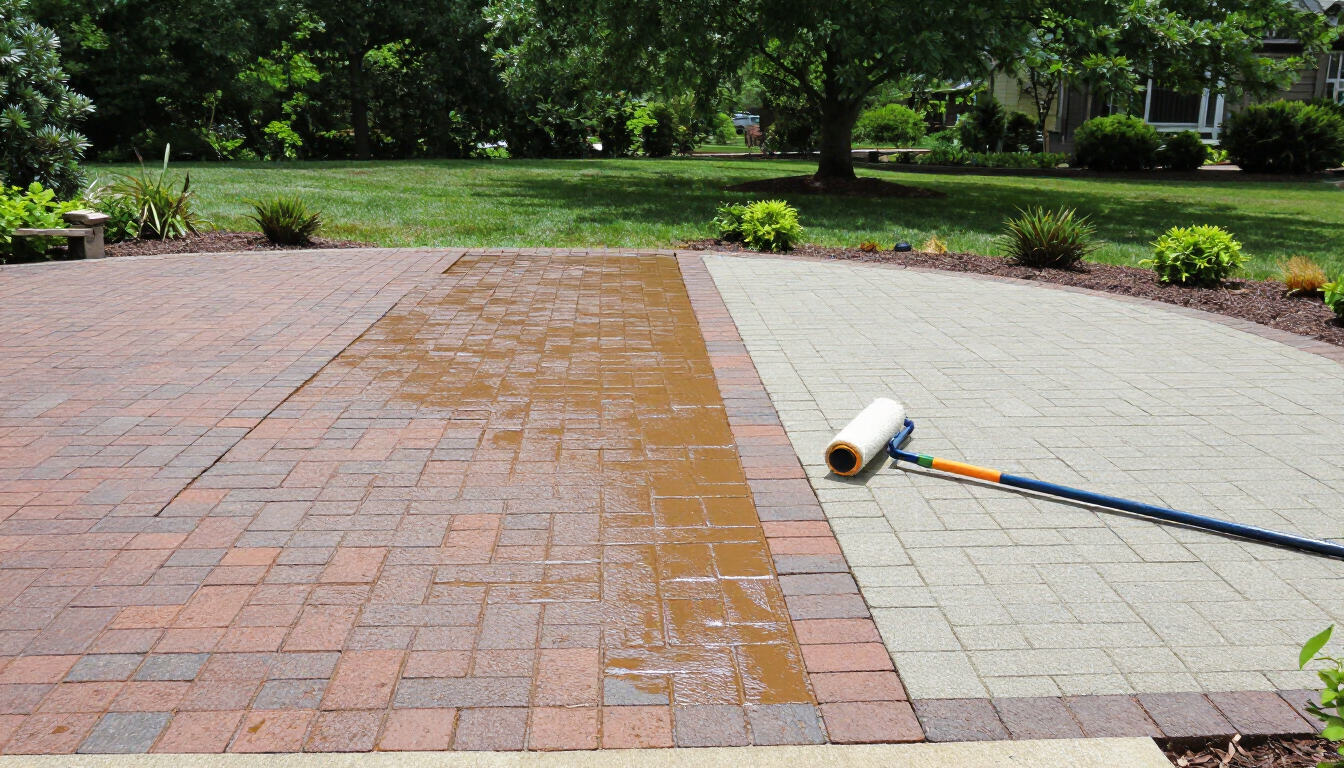
Maintain your outdoor hardscapes with paver sealing in Midlothian, VA. Learn about preparation, sealing benefits, and paver maintenance.
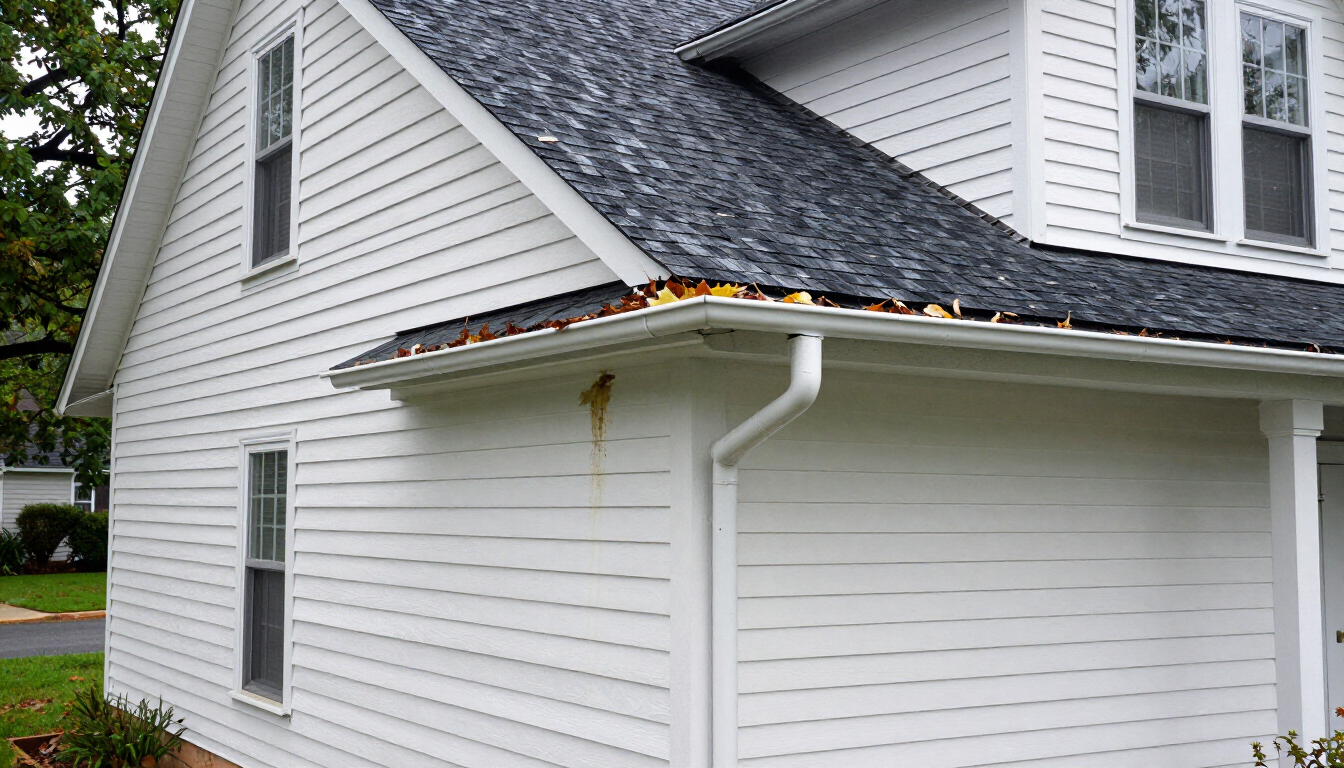
Learn seven signs your gutters need cleaning in Chester, VA, from overflowing water and clogged downspouts to stains and drainage problems.
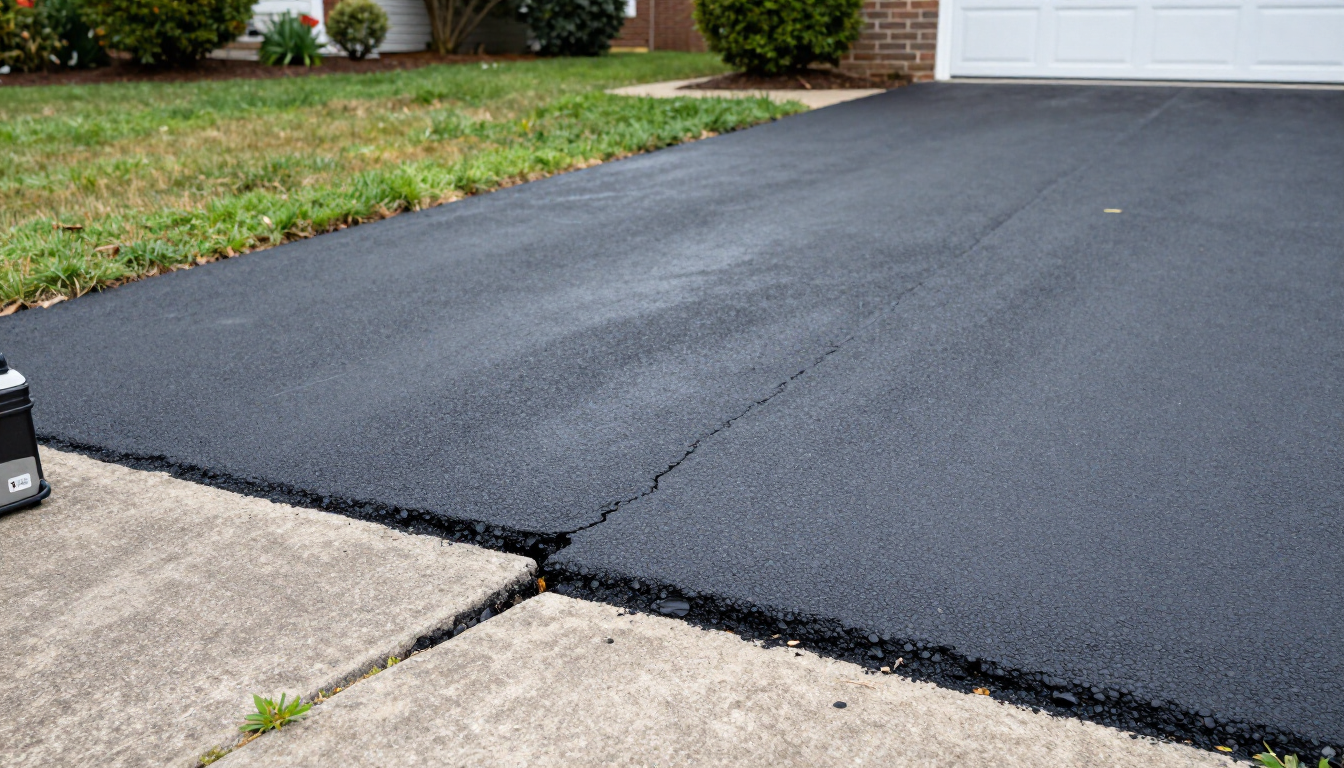
Learn what causes driveway cracks, when repairs are needed, and how driveway sealing and drainage maintenance can help protect pavement in Chester, VA.
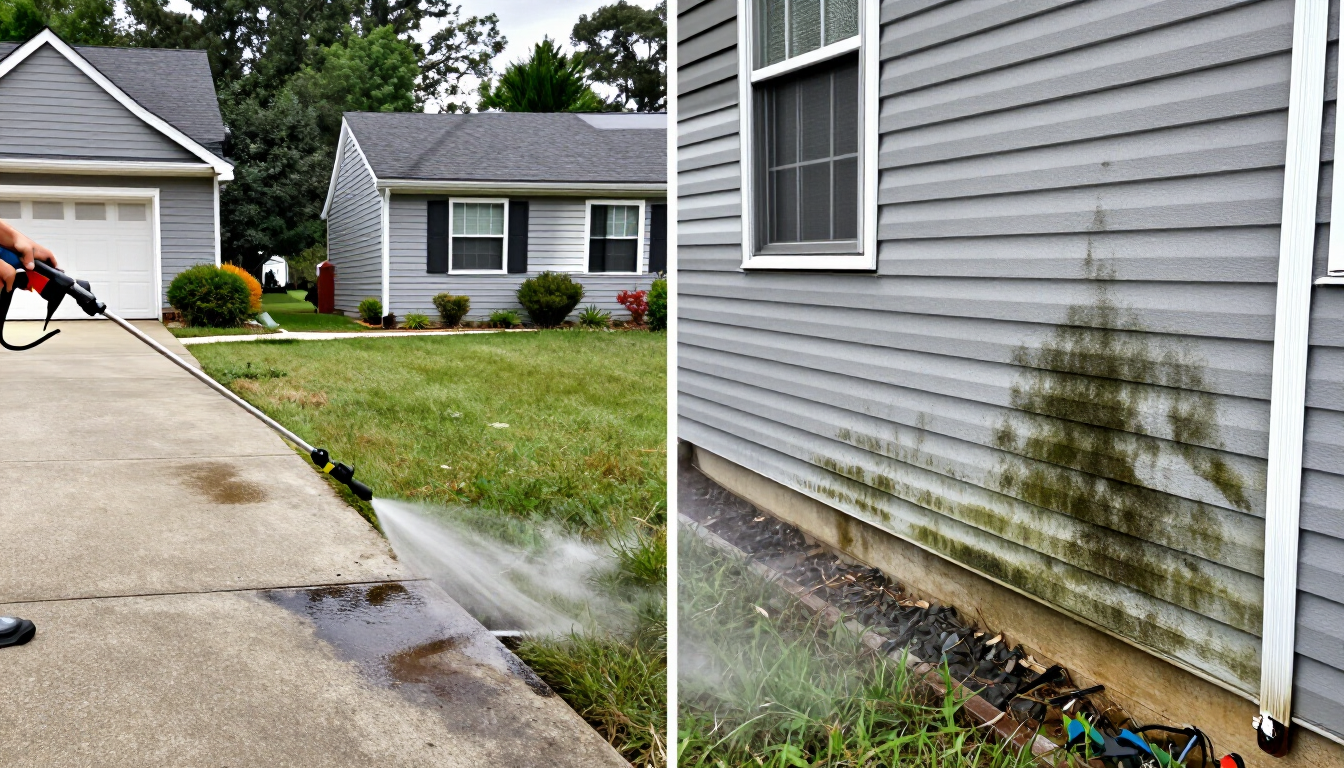
Compare pressure washing and soft washing for your Chester, VA home. Learn which exterior cleaning method may be right for siding, driveways, and roofs.
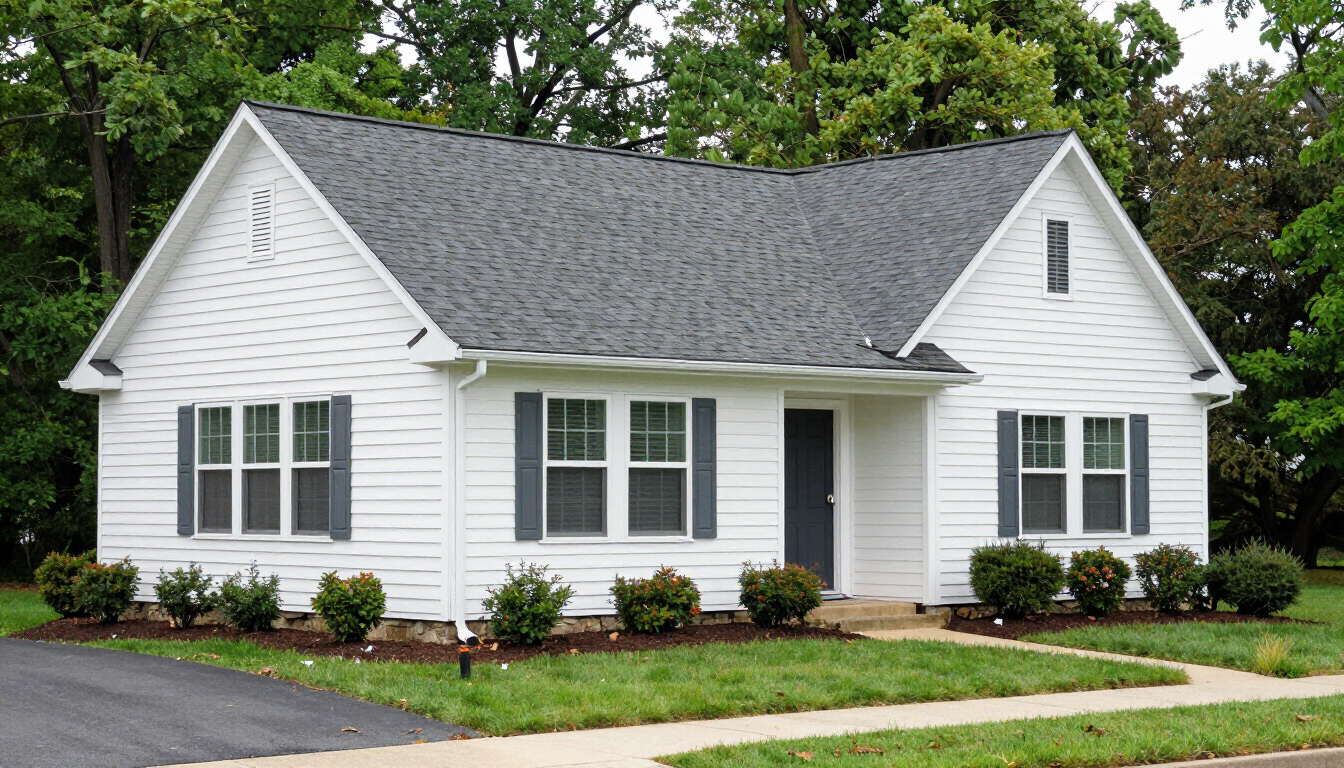
Keep your Chester, VA home looking its best with pressure washing, soft washing, roof cleaning, gutter cleaning, driveway sealing, deck staining, and more.

Discover professional pressure washing, soft washing, caulking, painting, driveway sealing, deck staining, window cleaning, and more in Chester, VA.
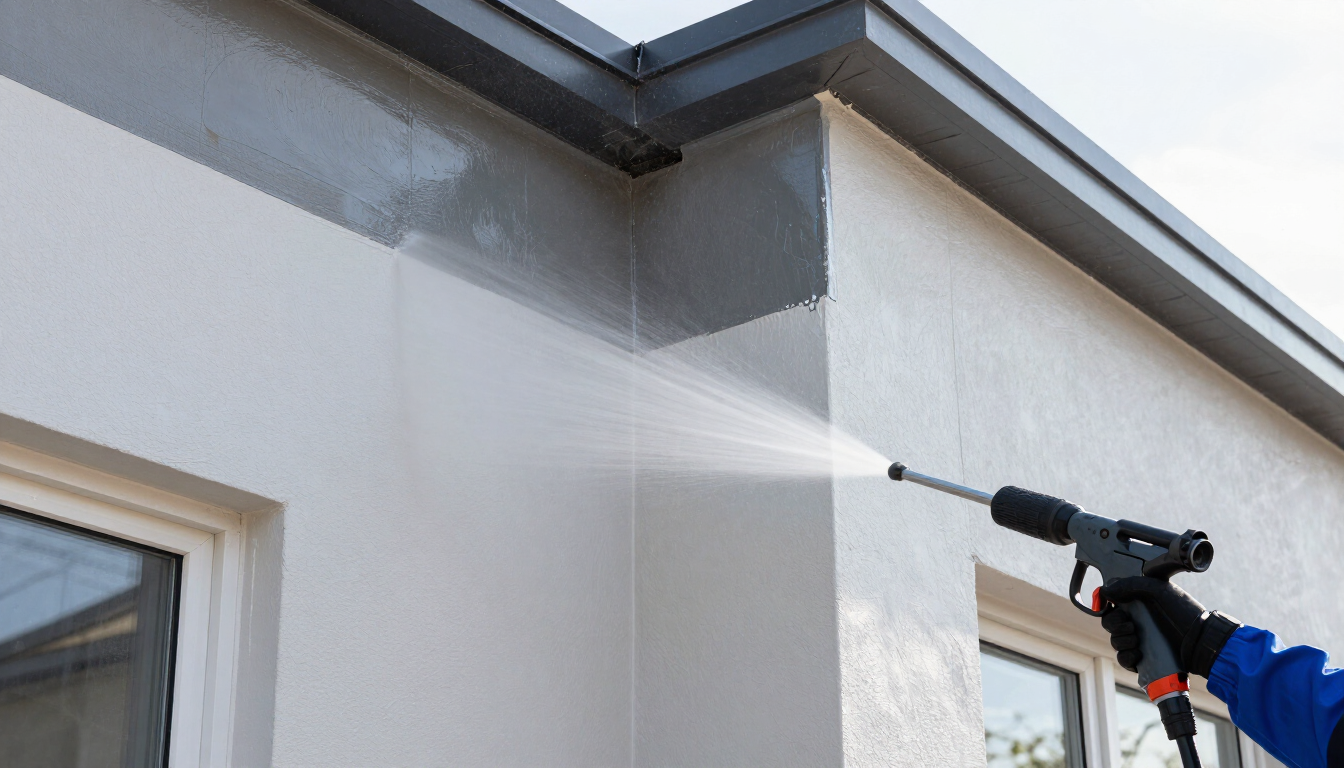
Looking for expert pressure washing, joint caulking, or exterior waterproofing? Discover professional restoration across Midlothian, Henrico, and Petersburg.